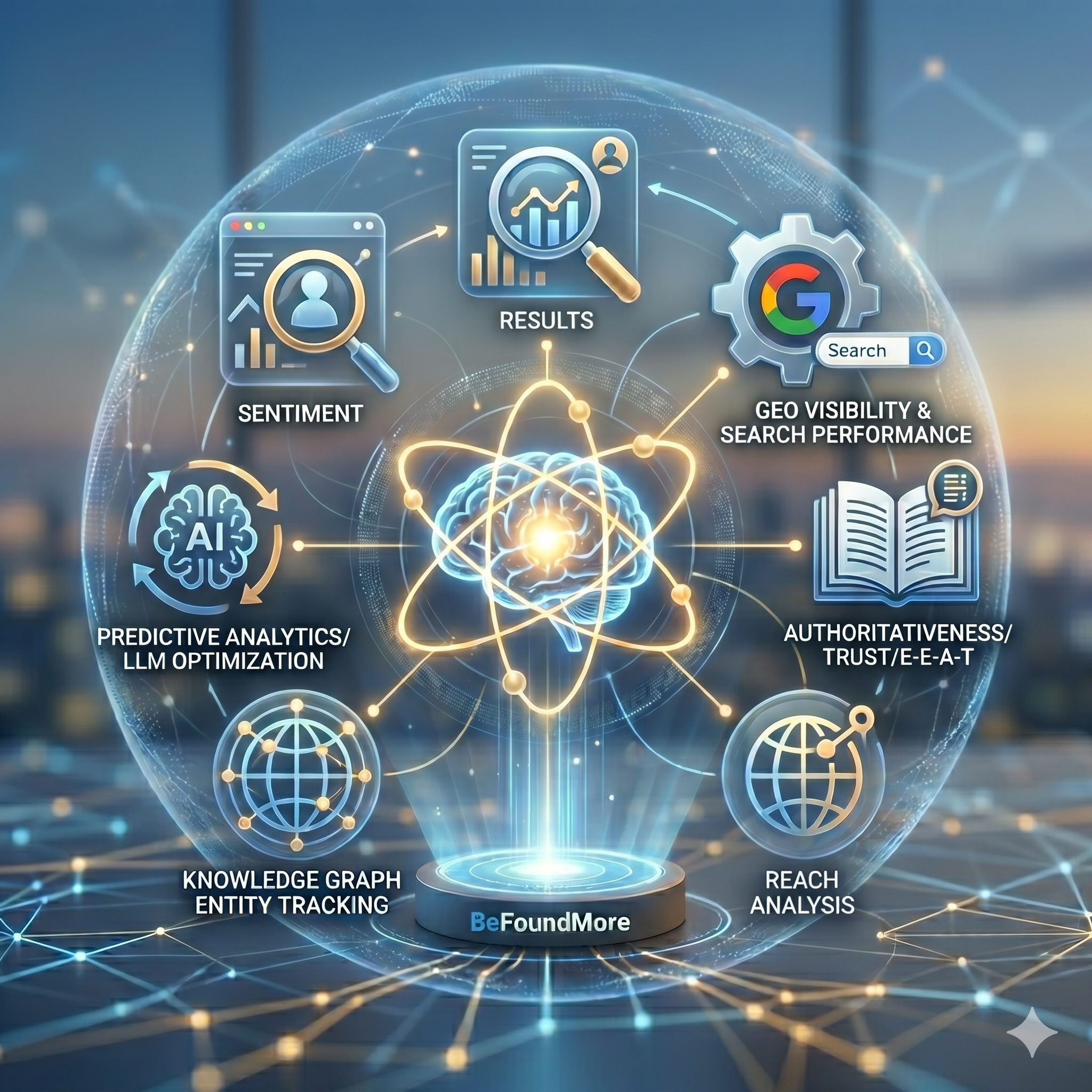
Mastering SEO and GEO in the Age of Generative AI
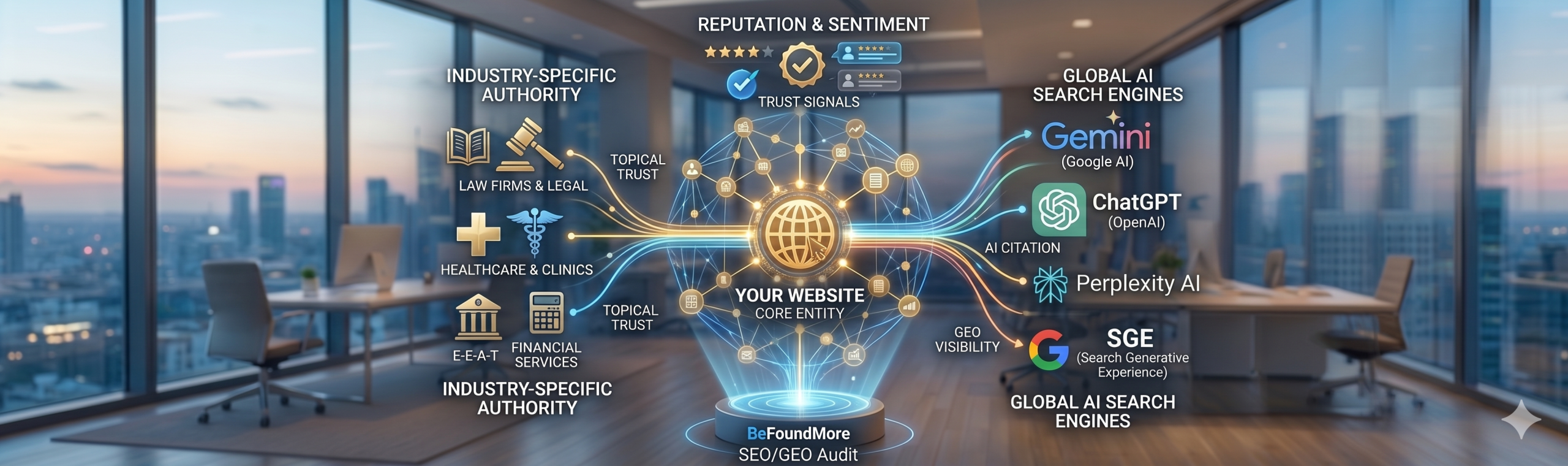
The Science and The Art behind Organic Search Marketing
In 2026, being 'on page one' simply isn't enough. You need to be the 'Answer' provided by AI."
Some “SEO experts” paint optimization as a secret art steeped in mystery and black magic, but the reality is that optimization is not so mysterious and is governed by some fundamental rules that underline the Science of SEO and GEO, and generally those rules have remained consistent since the late 1990’s.
The first rule of SEO in 2026 is to understand that all the rules have changed! SEO is no longer about keyword rankings and link building, it’s about Topics, Authority, Citations and Providing Answers. In Short, it’s now GEO (Generative Engine Optimization)
In 2026, SEO/GEO is all about:
• Search Behaviour: How people search today has changed dramatically from just 2 or 3 years ago. Searchers no longer simply enter a short search term, they ask Questions and expect to receive answers, not just links.
• Beyond the Blue Link: Traditional SEO focused on ranking your website on the first page for specific “keywords”. Today, you need to be optimizing for AI Overviews and Conversational Agents.
• The GEO Framework: You don’t just optimize for bots; you need to optimize for understanding. This means citing authoritative sources, using technical schema that AI can ingest, and ensuring your brand is seen as authoritative.
• Keyword-less Search: Google has said that we are heading towards a Keyword-less Search experience. The introduction in 2025 of AI Overviews, and the rapid development of Search Agents such as Gemini, Claude and ChatGPT is accelerating this.
The Art of SEO

Google considers hundreds of factors when it determines the order in which it shows search results. Knowing what those ‘rules’ are, and how to best follow them while gaining an advantage over competing websites is where the Art of SEO comes in, and can really only be mastered through experience.
Organic optimization is still important for any business with a website, however, Google has been pushing traditional text results further down the page in favour of video carousels, answer boxes, map listings, paid ads, and more! Today, if you are on page 2 of the SERPS (Search Engine Results Pages), you may as well be on page 500.
To combat this, knowing how to optimize for both textual and non-text results, such as video, image, and local search results, as well as emerging technologies like voice search, are the keys to online success today.
The Science of SEO
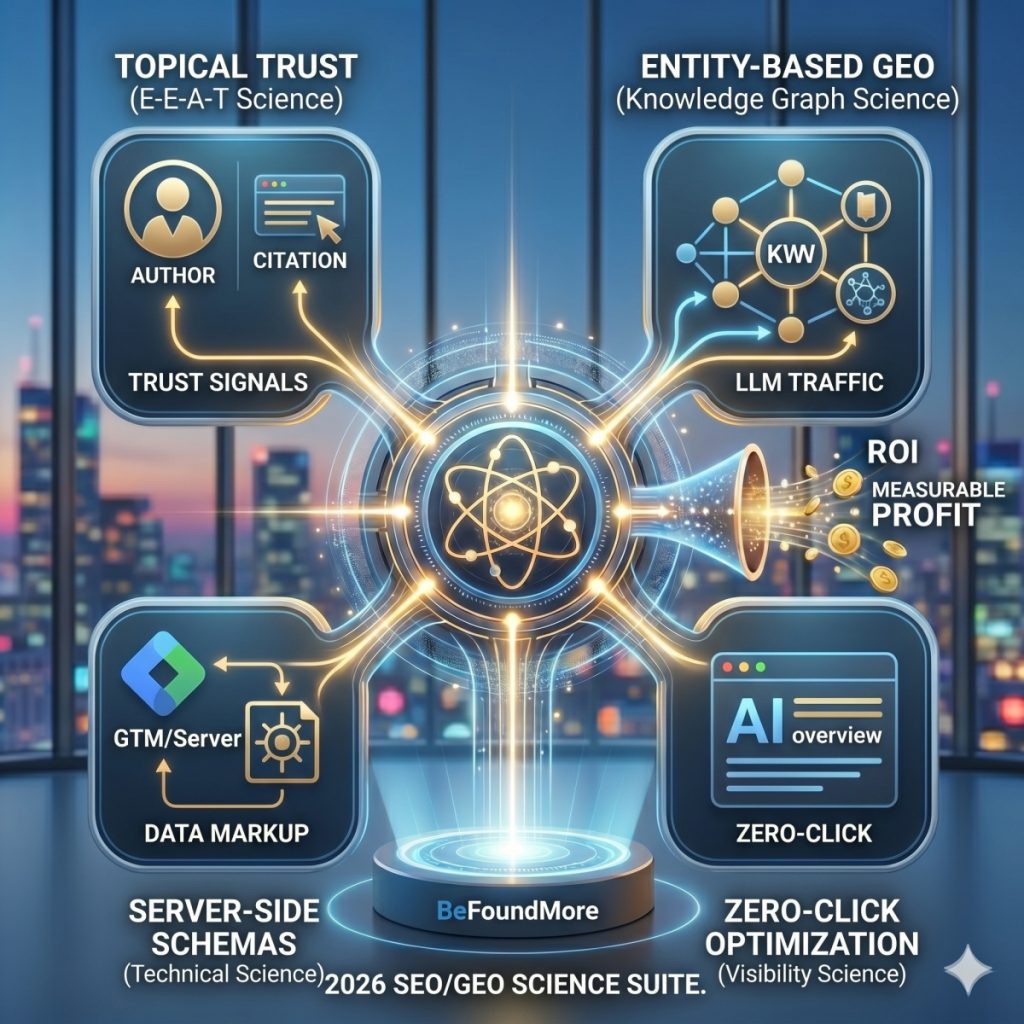
Before you start optimizing it's critical to know that the foundations are solid, and where you stand from an AI-Readiness perspective.
A Technical Audit should be completed that includes the following factors, as a starting point.
Technical SEO Audit Highlights:
- Site loading speed
- Mobile-first, or responsive, design
- Technical server issues and errors
- Poor or broken navigation
- AI Visibility Score: How often does your brand appear in AI-generated answers?
- Sentiment Analysis: How do AI models perceive your brand's reputation across the web?
- LLM Compatibility: Is your website's architecture easy for Large Language Models to crawl and synthesize?
GEO Audit Highlights:
The BeFoundMore Advantage for Organic Success
As a Technical SEO Specialist with over 25 years of proven experience, I work hard to stay abreast of changing tactics, requirements and technologies and use the latest tools to investigate, track down and fix fundamental on-site and server issues that can impact your organic ranking and visibility.
I take a No Bullshit approach and I won’t make empty promises. Be wary of "experts" who only want to only talk about rankings or link building without first conducting a technical audit of your website, and discussing the current reality of AI's impact on search traffic.
This isn’t 2016 and SEO is not an off-the-shelf product where you pick a “package of keywords” and traffic magically flows to your site. If that’s what you want, then invest in PPC Advertising.
I have delivered successful organic results across numerous B2B & B2C industries, including: Hotels, SaaS Software Vendors, Auto Industry, Professional Services, E-commerce and Retail, Law Firms, Education and Financial Services.